June 12, 2026 · Traviar Editorial
The Ultimate Guide to the Best Wadis in Oman: Navigate Desert Canyons Like a Local
A turquoise pool materializes from rust-colored cliffs, so vivid it looks photoshopped. You're standing in a canyon that hasn't seen rain in months, yet
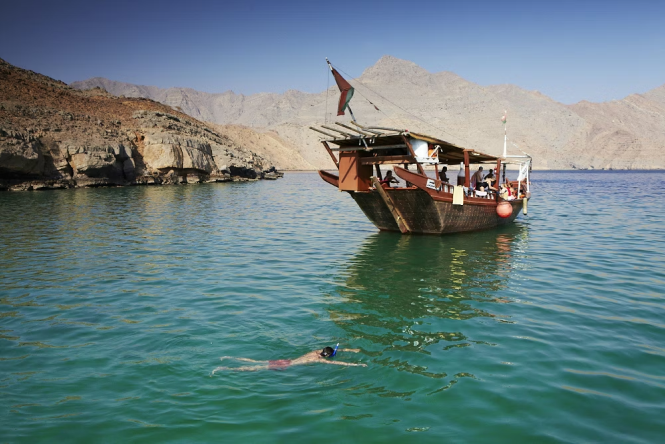
A turquoise pool materializes from rust-colored cliffs, so vivid it looks photoshopped. You're standing in a canyon that hasn't seen rain in months, yet water flows year-round. Birds wheel overhead. Your team is laughing for the first time since the quarterly review cycle began. This is a wadi, and it's the closest thing Oman has to a reset button for burned-out professionals.
Oman's wadis aren't just scenic footnotes in a desert country. They're the country's circulatory system—dry riverbeds that fill seasonally, carving geological narratives into the landscape and supporting everything from date palm villages to hidden populations of Arabian leopards. For travelers, they're the antidote to cookie-cutter tourism. You won't find resort pools here. You'll find something wilder, more genuine, and infinitely more memorable.
This guide cuts through the noise. We're ranking the best wadis in Oman by purpose, telling you exactly what each demands of you, how much it costs, and why it matters. Whether you're organizing a team retreat, squeezing adventure into a business trip, or simply hunting that Instagram moment that actually means something, this is the roadmap.
The Strategic Value of the Omani Wadi
Let's start with precision. A wadi is a seasonal riverbed—a canyon carved by ancient water that might stay dry for months or years before monsoons or underground springs prove the channel never really died. In Oman, they're everywhere. The country's entire topography is a library of wadis, from the dramatic limestone gorges of the north to the lush green canyons of the southern Khareef region.
"Wadi-hopping" is exactly what it sounds like: a deliberate multi-site journey that chains several wadis into a single itinerary. It's logistically elegant because Muscat functions as the perfect hub. Most of Oman's signature wadis cluster within 1–3 hours' drive from the capital, making them accessible as day excursions or overnight missions. You're not sacrificing a week of work schedules to scratch this itch.
For corporate teams and individuals looking to decompress, wadis deliver something hotels can't manufacture: a shared physical challenge in a landscape so foreign it rewires your perspective. The moment you're scrambling over slick rocks toward a hidden pool with your colleagues, the email inbox stops mattering. That's the real value proposition.
Wadi Shab: The High-Impact Choice for Active Teams
Wadi Shab sits 77 kilometers from Muscat—roughly 90 minutes of driving—and it's the wadi that separates casual tourists from committed explorers.
The experience starts with a non-negotiable boat crossing. You'll pile into a small wooden boat (expect to pay 10–15 OMR per person), guided by a Shab regular who navigates a narrow waterway shaded by date palms and limestone walls. It's atmospheric, slightly chaotic, and it sets the tone: you're not on a manufactured path.
Once you disembark, the real hike begins. The standard route is a 45-minute trek through the canyon floor, winding between emerald pools and boulders the size of buses. The terrain is unforgiving—slick rocks, scrambles that demand you use your hands, water you'll wade through up to your waist. Your hiking shoes need grip; your hydration pack needs to be bombproof. Bring a waterproof bag for your phone and valuables (5–8 OMR for a quality dry bag from any supermarket in Muscat).
The payoff is the hidden cave at the trail's end—a subterranean pool where ceiling rock bleeds ochre and the water is so clear you can count pebbles on the bottom. It's a moment. It's also why Wadi Shab is the undefeated choice for team-building through shared physical effort. Everyone arrives at that cave having conquered something tangible together.
Best season: October to April. June to September brings temperatures that will actively punish you (45°C+). What to bring: Proper hiking boots with ankle support, waterproof phone case, sun protection, and at least 2 liters of water per person. Cost: Boat crossing 10–15 OMR, parking 2 OMR, equipment rental (if needed) 5–10 OMR.
Wadi Bani Khalid: Accessibility Meets Luxury
If Wadi Shab is for the adventurers, Wadi Bani Khalid is for teams with HR-mandated fitness variations.
Located 162 kilometers from Muscat (2 hours 15 minutes), this wadi stays permanently green because its underground springs never stop flowing. The result: year-round emerald pools that photograph like paradise. Unlike Wadi Shab's technical scrambling, Bani Khalid has gentle entries. Concrete bridges span certain sections. There's seating. There are nearby restaurants (the Wadi Bani Khalid rest house serves serviceable grilled fish and Arabic coffee).
This infrastructure isn't a compromise—it's strategic. Groups with mixed mobility needs can still explore together. Someone recovering from an injury can wade in the shallows while colleagues swim deeper. The main pool area is accessible in under 20 minutes of walking on well-trodden paths.
The canyon itself is no less beautiful. Limestone walls rise 120 meters in places. The water maintains a shocking blue-green even in peak summer. The atmosphere is less "remote wilderness" and more "carefully protected natural preserve," which is exactly what Bani Khalid is.
Pro move: Combine this with the Wahiba Sands (1.5 hours further south). Spend the morning in the wadi, lunch at the rest house, then drive into the desert for a dune evening. This creates a complete environment-spanning itinerary in a single day.
Cost: Parking 1.5 OMR, meals 6–12 OMR, guide hire (optional but recommended) 20–30 OMR.
The Muscat Perimeter: Wadi Al Arbaeen and Bimmah Sinkhole
If you've got 4 hours and need maximum visual impact, the Muscat perimeter run is your play.
Start 45 kilometers north of Muscat with the Bimmah Sinkhole—a perfectly circular sinkhole 40 meters across and 20 meters deep, filled with the bluest water you've ever seen. You can swim in it. The entry fee is negligible (0.5 OMR), and the viewing platform is developed enough that you can grab lunch nearby. The whole site takes 45 minutes, but those 45 minutes deliver Instagram gold and a genuinely weird geological story (the sinkhole collapsed when the cave ceiling failed and the ground rushed in—it's a wound in the earth).
From there, backtrack slightly south and take the 4x4-only track into Wadi Al Arbaeen, the 'off-the-beaten-path' alternative. This requires a high-clearance vehicle (a standard sedan will fail badly). The wadi itself is technical, lined with narrow canyon passages and small pools, but it's barely visited. You'll likely see more local goats than tourists.
Critical warning: Al Arbaeen isn't signposted. You need a local guide or GPS coordinates. Flash flooding risk is real during rain events anywhere upstream. Check weather forecasts before committing.
Combined itinerary: Bimmah (0.5 hours) → Wadi Al Arbaeen (2 hours) → coastal lunch stop in Qurayyat = 4-hour day trip covering ~150km.
Cost: Bimmah entry 0.5 OMR, 4x4 rental (if needed) 50–80 OMR/day, guide 40–60 OMR.
Wadi Tiwi: The 'Gorge of Nine Villages'
Wadi Tiwi is the cultural immersion option. It's 60 kilometers from Muscat (75 minutes), and the entire wadi is woven through a patchwork of inhabited villages that have existed for centuries.
The experience is kinetic. You drive a narrow paved road that threads between date palm plantations and white-washed houses. Families call out greetings. Children pedal bicycles down the canyon. Then the road narrows further, becomes gravel, and you're in the actual wadi—dramatic cliffside views, pools as green as Bani Khalid but feeling more intimate because they're nested between human habitation.
The technical difficulty is higher than Bani Khalid but different from Shab. You're not wading through a river; you're navigating a working landscape that happens to be extraordinarily beautiful. The pools invite swimming and exploration, but the experience is colored by proximity to villagers' daily life.
Critical etiquette: Dress conservatively. Women should wear long pants or skirts; men should avoid shirtlessness. Ask permission before photographing people. Many villagers are accustomed to tourists, but respect isn't optional—it's the price of entry.
Best move: Hire a guide from Qurayyat (20 OMR). They'll navigate the tighter roads, translate casual conversations, and steer you away from overcrowded pools toward hidden basins.
Cost: Parking 1 OMR, guide 20–30 OMR, meals if stopping in villages 5–8 OMR.
Southern Splendor: Wadi Darbat and the Khareef Season
If you're based in Salalah or building a southern business trip, Wadi Darbat belongs in your itinerary. It's a fundamentally different wadi from its northern cousins.
Wadi Darbat sits 200 kilometers from Salalah, and its character changes dramatically with the monsoon season (Khareef, roughly June–August). During this window, the wadi explodes with cascading waterfalls—something you almost never see in Oman's other wadis. The surrounding landscape turns lush and green. Herds of camels roam the uplands. The entire region feels transplanted from an East African savanna.
Outside the Khareef season, Darbat is drier and less dramatic, though still worth the drive. The wadis' limestone cave system remains visually striking, and the archaeological evidence of pre-Islamic settlement is present if you know where to look.
Strategic note: If you're organizing a Salalah-based retreat (increasingly common for GCC firms seeking coastal retreats), build 1–2 days around Wadi Darbat, the Khareef season wildlife viewing, and Marjan Cave. The contrast between Northern limestone wadis and Southern greenery will feel like two countries.
Cost: Guides 30–50 OMR, camping near Darbat 10–20 OMR/person, meals 8–15 OMR.
The Logistics of Wadi-Hopping: Gear and Safety
Here's where romance meets reality.
Weather is non-negotiable. Flash flooding can kill. Before any wadi trip, check the Oman Meteorology Department forecast and any upstream weather patterns. Wadis in the Northern mountains are particularly vulnerable if rain falls 20+ kilometers upstream—you won't see the water until it's upon you. This isn't paranoia; it's math.
Vehicle selection matters. Wadi Bani Khalid? Your rental sedan works. Wadi Shab? Still fine (park at the main lot). Wadi Al Arbaeen or certain tracks into Wadi Tiwi? High-clearance 4x4 is mandatory. Renting from Muscat costs 50–120 OMR/day depending on vehicle type and season. Budget accordingly.
Gear checklist:
- Hiking boots with aggressive tread (Salomon or equivalent, available at Muscat sporting goods stores for 80–150 OMR)
- Waterproof dry bag (5–8 OMR)
- Sun protection: hat, sunscreen (SPF 50+), lightweight long sleeves
- Hydration: 2–3 liters per person minimum
- First aid kit (basic: adhesive strips, antibiotic cream, pain relief)
- Headlamp if hiking late in the day
Connectivity: Signal coverage is reliable in major wadis (Shab, Bani Khalid, Tiwi), spotty in remote spots (Al Arbaeen, Darbat). Download offline maps (Google Maps allows this; enable it before leaving Muscat). Share your location with a colleague.
The Bottom Line: Maximizing Your Omani Itinerary
The hierarchy is clear: Wadi Shab is the best for adventure; Wadi Bani Khalid for ease.
If you're building a multi-day wadi itinerary from Muscat, a sensible sequence is:
- Day 1: Wadi Shab (early start, 90 minutes drive, 4–5 hours on-site).
- Day 2: Wadi Bani Khalid + Wahiba Sands (2 hours drive, 3 hours wadi, 2 hours desert).
- Day 3: Wadi Tiwi + Bimmah Sinkhole (mix of culture and geology, 75 minutes drive each way).
This covers 4 of the best wadis in Oman while remaining logistically feasible for working professionals. Always prioritize safety and weather monitoring. Use Muscat as your base for 1-day excursions. Respect local customs—you're not a conqueror; you're a guest.
Streamlining the Adventure with Traviar
Here's the inconvenient truth: organizing a multi-wadi team retreat involves a cascade of small decisions. 4x4 rental logistics. Hotel bookings in Muscat. Restaurant reservations near Wadi Bani Khalid. Guide coordination. Expense tracking for your finance team ("Why did marketing spend 800 OMR on a wadi trip?").
Traviar's AI handles the heavy lifting.
Instead of juggling six tabs and three messaging apps, you input your itinerary once. The platform:
- Automates 4x4 rental booking and matches vehicle requirements to specific wadis.
- Reconciles expenses in real-time, separating bleisure activities from core business costs.
- Centralizes invoicing for team retreats—critical when expense accounts are shared across departments.
The adventure itself remains unscripted. The administration becomes invisible.
For firms building quarterly retreats in Oman—increasingly the case as GCC companies prioritize employee wellness—Traviar reduces the logistical friction that typically kills creative itinerary planning. You book the wadi guide. Traviar handles the rental car and reconciliation. The team focuses on the experience.
Wadi-hopping in Oman is visceral, challenging, and deeply rewarding. It's also more accessible than you think. The infrastructure is there. The guides exist. The water flows year-round in certain canyons, and the dry season (October–April) keeps temperatures manageable. What was once the domain of adventure-travel magazines is now a realistic 2–3 day itinerary from Muscat.
The wadis are waiting. The only question is which one you'll visit first.
FAQ
What is a wadi in Oman? A wadi is a seasonal riverbed—a canyon carved by ancient water that flows intermittently or stays dry for long periods before underground springs prove the channel never truly died. In Oman, wadis are fundamental to the landscape, supporting date palm villages and creating some of the country's most dramatic geological formations. Unlike seasonal rivers in wetter climates, Omani wadis can appear bone-dry yet contain permanent pools fed by underground aquifers.
Which is the best wadi near Muscat? It depends on your constraints. Wadi Shab (90 minutes from Muscat) is the best for adventure—it requires a boat crossing and a technical 45-minute hike culminating in a hidden cave pool. Wadi Bani Khalid (2 hours 15 minutes) is the best for accessibility and year-round water. For a quick morning excursion, Bimmah Sinkhole (45 minutes) offers maximum visual impact with minimal physical demand.
What is the best season to visit wadis in Oman? October to April is ideal. Daytime temperatures range from 20–28°C, making hiking comfortable. Avoid June to September entirely—heat regularly exceeds 45°C, which is dangerous. The monsoon season (June–August) affects southern wadis like Wadi Darbat, transforming them with waterfalls and lush vegetation but creating flash flood risks. Check weather forecasts always.
Do I need a 4x4 to visit the best wadis in Oman? Not for the major wadis. Wadi Shab, Wadi Bani Khalid, and Wadi Tiwi are accessible with a standard sedan. However, Wadi Al Arbaeen and certain backcountry tracks require a high-clearance 4x4. If you're planning multiple wadis, renting a 4x4 (50–80 OMR/day) provides flexibility and safety on gravel roads.
**What should I bring