June 12, 2026 · Traviar Editorial
Oman vs Bali: Which Destination Should You Choose?
You're scrolling through Instagram at 2 a.m., and your tired brain is stuck between two completely different worlds. On one side: emerald rice terraces, th
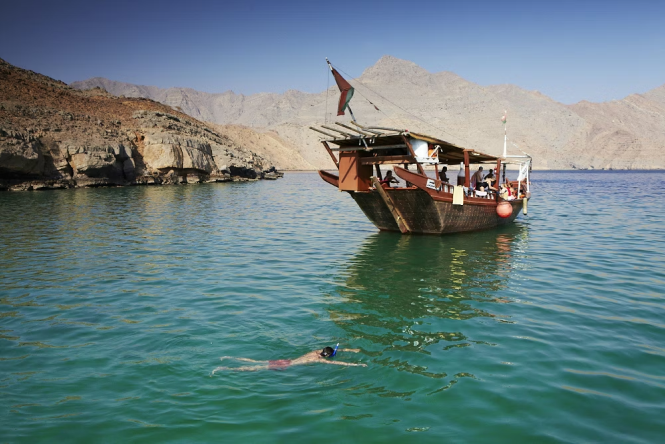
You're scrolling through Instagram at 2 a.m., and your tired brain is stuck between two completely different worlds. On one side: emerald rice terraces, those temples with monkeys, yoga retreats in Ubud. On the other: endless golden deserts, turquoise wadis where locals actually swim, frankincense traders still haggling like their great-grandfathers did. Both cost less than your typical Mediterranean trip. Both will change how you travel. But they're nothing alike—and that's exactly why you need to know the difference.
Oman and Bali attract the same type of traveler: someone who wants more than beaches, someone who craves culture that hasn't been packaged into a souvenir. Yet choosing between them matters. One is a sprint through Instagram hotspots; the other is a slow, contemplative journey into one of the Arabian Peninsula's most underrated corners. Here's how to pick.
The Honest Cost Comparison
Let's start where decisions actually happen: your wallet.
Bali's Reality Bali's budget-friendly reputation is partially true—until it isn't. A basic room in Ubud runs 25,000–50,000 IDR nightly (roughly 1–2 USD, but that's the catch—you'll pay 2–3× more if you want comfort). Tourist-focused restaurants charge 80,000–150,000 IDR for a meal (5–10 USD). Transport via motorbike taxi (Grab) costs 15,000–40,000 IDR per ride. A temple entrance is 15,000–30,000 IDR. The math feels cheap until you realize you're spending $40–60 daily and staying in a fan-cooled box.
Oman's True Cost Oman is more expensive upfront, but you'll understand why. A mid-range hotel in Muscat runs 40–80 OMR nightly (100–210 USD). A meal at a local restaurant costs 5–8 OMR (13–21 USD). A car rental—essential in Oman—is 15–25 OMR daily (40–65 USD). Entrance to Nizwa Fort is 2 OMR (5 USD). Snorkeling in the Musandam Peninsula costs 30–50 OMR (80–130 USD) per person.
The verdict: Bali feels cheaper day-to-day, but you're often paying for mediocrity. Oman costs more, but every dirham buys you authenticity and fewer crowds. If you allocate $60–80 daily in Oman versus $40–50 in Bali, you'll have a measurably better experience in Oman.
Geography, Culture, and What You'll Actually Do
Bali: Spiritual Theater and Rice Terraces
Bali is Indonesia's Hindu island in a Muslim-majority nation, which creates its particular magic. You'll find yourself in temples with Sanskrit inscriptions, swimming with sarongs wrapped around your waist, watching offerings placed at temples at dawn. The culture is tangible but also very much aware it's being watched. Ubud's monkey forest has monkeys—and thousands of tourists. The rice terraces near Tegallalang are stunning—and packed with scooters ferrying visitors to Instagram spots.
This isn't cynicism; Bali genuinely has spiritual depth. Balinese Hinduism genuinely blends Buddhism, animism, and Indian traditions. The issue is that spiritual tourism is Bali's primary industry now. You'll find real culture, but you'll share it with 500 other people in matching resort yoga clothes.
Oman: Desert, Forts, and Genuine Solitude
Oman is fundamentally different. It's an Islamic country (but one of the most tolerant on the peninsula), with a culture rooted in Bedouin traditions, maritime trade, and sultanate history. There are no temples; instead, you'll find 500-year-old forts overlooking valleys, wadi systems where locals actually spend weekends, and frankincense markets where the air itself smells like history.
The Muscat skyline is modern, but travel 90 minutes inland and you're in villages where the rhythm hasn't changed in decades. The Musandam Peninsula (2 hours north) has Norwegian fjord-like cliffs and dolphins. The Empty Quarter (4–5 hours south) is 650,000 square kilometers of sand where you might see three vehicles in a day.
Bali offers spiritual tourism. Oman offers solitude that's harder to find anymore.
When to Go: Season Matters Enormously
Bali's Seasons
Bali has two seasons: wet (November–April) and dry (May–October). The dry season is crowded and perfect weather. The wet season is cheaper but features afternoon downpours that last 2–3 hours daily. Humidity sits at 80%+ year-round.
Best months: June–August (dry, peak prices)
Best budget months: January–March (wet, fewer crowds)
Oman's Seasons
Oman's weather is stark. Summer (June–September) hits 45–50°C (113–122°F) in coastal areas; the interior is even hotter. Most tourism pauses. Winter (November–March) is perfect: 25–30°C daytime, cool nights, stable weather. Khareef season (June–September) brings monsoon rains to the Dhofar region (south Oman), making that area lush and green—but roads can be challenging.
Best months: November–February (cool, clear skies, all attractions open)
Best value months: September–October or April–May (shoulder season, pleasant)
Driving times from Muscat (where most people arrive):
- Nizwa (forts, souks): 2 hours
- Wahiba Sands (desert): 3 hours
- Wadi Shab (swimming hole): 1.5 hours
- Musandam Peninsula (fjords, snorkeling): 2.5 hours
- Salalah (green mountains, frankincense): 6 hours (fly instead)
Transportation and Navigation
Bali: Chaotic but Manageable
You can navigate Bali with apps. Grab (like Uber) works in Denpasar and Ubud. Motorbike rentals cost 50,000–100,000 IDR daily (3–6 USD). Renting a car with a driver costs 400,000–600,000 IDR (25–40 USD). Bali's roads are congested but well-signed in tourist areas. You'll navigate narrow streets, aggressive scooter drivers, and occasional potholes.
Transport truth: Bali is navigable solo, but you'll spend time in traffic and negotiating prices.
Oman: Rental Car or Guided Tours
Oman essentially requires a car. Public transport exists but is limited to long-distance buses between major cities. You'll rent a car (15–25 OMR daily) and drive yourself on well-maintained, quiet roads. The highway network is excellent; roads to wadis and desert camps are graded and drivable in a standard sedan (SUVs help but aren't mandatory).
Transport truth: Oman demands more logistics but rewards you with independence and fewer crowds.
Organized tours in both countries are available. In Bali, a private driver + guide costs 300,000–500,000 IDR daily (20–35 USD). In Oman, guided desert camps with meals run 80–120 OMR (210–310 USD) nightly—more expensive but all-inclusive.
Practical Differences: Visas, Food, and Comfort
Visas
Bali: Indonesian visa-on-arrival (VOA) for most nationalities, valid 30 days. Cost: 500,000 IDR (30 USD). Process at the airport takes 10 minutes.
Oman: Tourist visa issued on arrival for most nationalities. Cost: 10 OMR (26 USD), or obtain e-visa online beforehand (same price). Absolutely no alcohol restrictions entering, though alcohol sales are limited (available in some hotels and restaurants).
Food
Bali: Nasi goreng, satay, gado-gado (vegetable salad). Bali is predominantly Hindu, so pork is common (rare in Muslim-majority Indonesia). International food is everywhere, often cheaper than local. Warung (small restaurants) are extremely cheap; tourist restaurants are touristy-priced.
Oman: Al Madubah (a traditional meat and rice dish), fresh seafood, dates. Omani cuisine is less spice-heavy than Indian or Thai. Frankincense tea is traditional. Alcohol is available in licensed restaurants and hotels but not at local establishments. Food is fresher but less varied than Bali; eating out costs more.
Comfort and Amenities
Bali has everything: from luxury resorts (300–500 USD nightly) to backpacker hostels (8–15 USD). Spas, yoga studios, craft workshops. Wi-Fi is reliable in tourist areas. Medical facilities in Denpasar are excellent.
Oman has fewer luxury options but they're very good (80–150 OMR, 210–390 USD nightly). Muscat has modern medical care. Spas exist but aren't omnipresent. Once you leave major cities, amenities thin out—but that's intentional.
What Each Destination Actually Offers
Bali's Genuine Strengths
- Spiritual engagement (temples, meditation, Hindu philosophy)
- Arts and crafts (woodcarving in Ubud, batik, silverwork)
- Terraced landscapes (visually stunning, Instagram-famous for a reason)
- Accessibility (easy navigation, abundant guides, lots of English speakers)
- Adventure variety (surfing, diving, trekking, water sports)
Oman's Genuine Strengths
- Untouched landscapes (wadis, deserts, cliffs—with no infrastructure)
- Historical depth (forts dating to 1600s, trade routes, Omani history)
- Marine life (dolphins, whale sharks, sea turtles in the Musandam)
- Genuine solitude (you'll encounter far fewer tourists)
- Living culture (watch traditional frankincense trades, Bedouin camping, falconry)
The Decision Framework
Choose Bali if:
- You have 5–7 days (it's concentrated, navigable quickly)
- You want spiritual/cultural tourism with comfort and accessibility
- You're interested in arts, crafts, and yoga
- You prefer a well-trodden path with predictable experiences
- You're traveling on a tight budget and accepting lower comfort standards
- You want a social atmosphere with other travelers
Choose Oman if:
- You have 7–10 days (the distances justify the time)
- You're prepared to rent a car and self-navigate
- You value solitude and untouched landscapes
- You're interested in Arabian history, geography, and culture
- You can allocate $60–80 daily and expect real value
- You want a trip that feels genuinely different from typical Southeast Asia
Making Your Oman Trip Concrete
If you're leaning Oman, here's how to actually plan it. Start with Muscat (arrive via any major international airport). Spend 2 days acclimating, visiting the Grand Mosque and Muttrah Corniche. Then drive: Day 3 to Nizwa (see the fort and souk, 40 OMR for fort entry), Day 4 into Wahiba Sands (desert camp 80–120 OMR nightly), Day 5 to Wadi Shab (20 OMR for a guide into the swimming hole). Day 6–7, either return to Muscat or push to the Musandam (hire a boat for 40 OMR, see dolphin pods).
Total rough cost for 7 days: Flights + car rental (150 OMR = 390 USD) + accommodation (350 OMR = 910 USD) + meals and activities (150 OMR = 390 USD) = roughly 1,500–1,800 USD per person. In Bali, you might spend 1,000–1,200 USD on the same timeline, but with less access to genuine experience.
For deeper Oman research, explore our regional guides on individual wadis, the Musandam Peninsula, and desert camping.
FAQ
Q: Is Bali safer than Oman? Both are very safe for tourists. Bali has petty theft in tourist areas (pickpocketing, scooter bag-snatching). Oman has almost no petty crime; violent crime is rare for visitors. Oman's main concern is driving (roads are good, but speeds are high)—stay cautious as a driver or passenger.
Q: Can I do both Bali and Oman on one trip? Technically yes, but it defeats the purpose. The flight from Bali to Oman is 10+ hours with connections, costing 400–600 USD. You'd spend 3–4 days traveling to do 3–4 days in each place. Better to pick one, or visit Oman in winter and Bali in summer/wet season as separate trips.
Q: Is Oman actually expensive, or is that a myth? It's genuinely more expensive than Southeast Asia, but not expensive by global standards. A 70 OMR hotel in Muscat is nice, clean, and well-located. That same budget in Bali gets you a much smaller, basic room. Oman's prices reflect better quality, not inflated tourism costs.
Q: What language do I need in each place? In Bali, English is spoken in all tourist areas; Indonesian is useful but optional. In Oman, English is spoken in hotels, restaurants, and by educated Omanis, but less reliably in small villages. Arabic basics help; a translation app is essential. Oman requires slightly more preparation.
Q: Which has better food? Bali has more variety and is cheaper. Oman's food is authentic and fresh but less adventurous. If you're a food-focused traveler, Bali wins. If you want to eat like locals and don't mind simpler meals, Oman is fine. Neither will blow your mind culinarily, but Bali is more memorable for food.